Cutting Tool Life Depends on the Workpiece, Not the Catalogue Claim
By weiyi weiyi · 2026-11-05
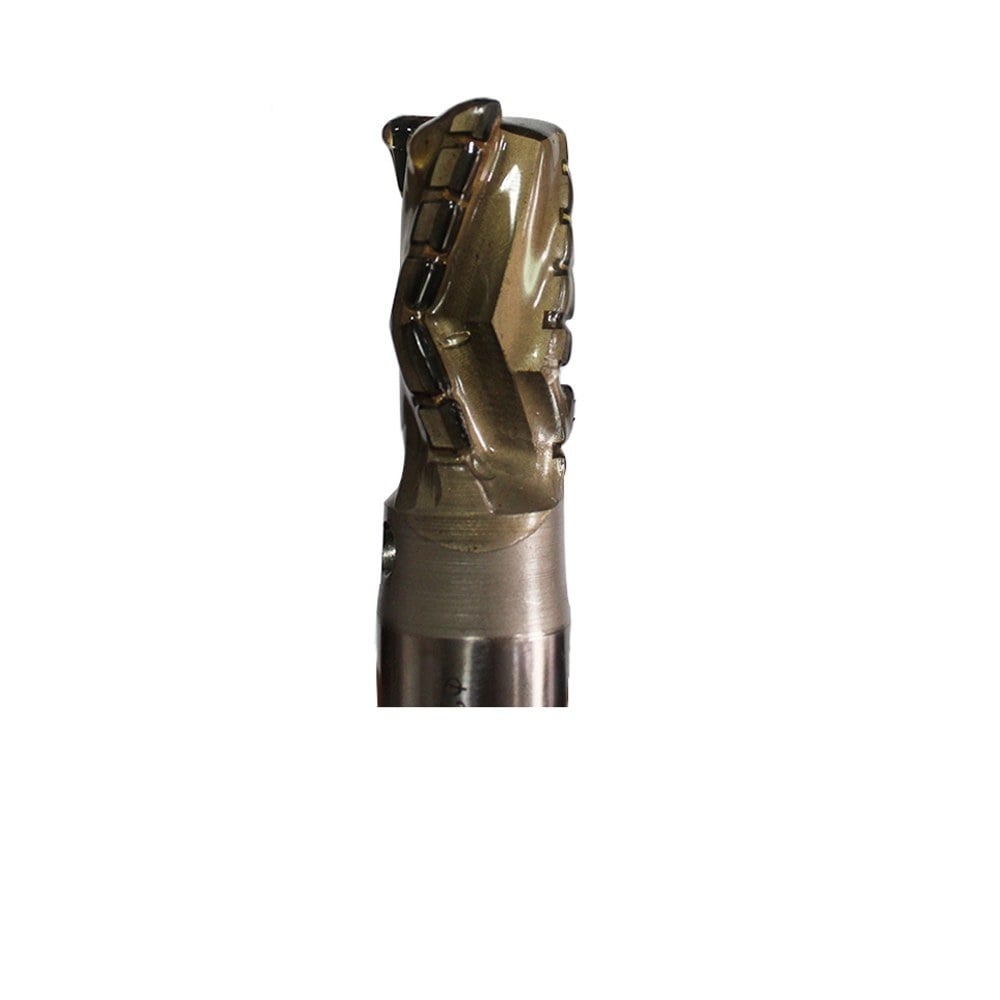
Overview
A new carbide end mill can produce an excellent finish for the first few parts and then begin leaving burrs or chatter marks. The instinct is to blame tool quality, but the problem may be chip evacuation, excessive tool overhang or a cutting strategy that pushes the tool outside its useful range. End mills should be selected with the workpiece material, machine rigidity, spindle capability and actual cut geometry in mind. There is no single cutting tool that performs equally well in aluminium, stainless steel and hardened tool steel under the same conditions.
Practical considerations
For a carbide end mills manufacturer, the useful conversation begins with the material grade and operation: side milling, slotting, roughing, finishing or a combination. Aluminium often benefits from geometry that moves chips out quickly and resists material sticking to the cutting edge. Stainless steel brings different demands related to heat, work hardening and edge strength. A tool with more flutes may offer advantages in one operation but leave less room for chips in another. Ask for the tool's recommended application range rather than relying only on a generic description such as “high performance.”
Yumiteck offers milling-cutter categories for CNC applications. Buyers can begin with a specific workpiece drawing and machining conditions, then request a suitable geometry and sample programme. A valuable supplier will discuss where a tool is not ideal as well as where it should work. The proof comes from repeatable cutting results in the customer's machine, not a universal claim of longer life.
Tool holders and runout often explain premature wear. Even a well-made cutter cannot perform as intended if the shank is poorly clamped or the tool projects too far from the holder. Measure runout close to the cutting edges, inspect holder cleanliness and check whether the collet or hydraulic system suits the operation. In a deep pocket, the machine may need a longer tool, but the cutting strategy should then account for reduced stiffness. A smaller radial engagement or different path can help manage cutting forces without assuming that a stronger carbide grade will solve everything.
Coatings are another source of confusion. Some coatings are suitable for hot, abrasive cutting conditions, while uncoated or differently treated tools can be preferable for certain aluminium applications. Ask what benefit the proposed coating is intended to provide on the actual material. For an cnc milling cutters manufacturer, a tool drawing should show diameter, flute length, overall length, shank tolerance, corner geometry and the intended chip-removal direction. When comparing sources, request a consistent test setup. Two reported tool-life figures are meaningless if one was measured at half the cutting speed and with a much easier engagement.
A shop trial should capture more than how many parts were made before the operator changed the tool. Record material batch, cutting speed, feed per tooth, depth and width of cut, coolant setup, toolholder and measured wear. Photograph the edge after a defined number of parts. If the finish deteriorates, identify whether wear, built-up edge or vibration is the cause. Comparing cost per finished part can be more informative than cost per cutter, especially when an unreliable tool produces scrap or forces a machine stoppage. Chip colour and chip shape can offer clues during a trial, although they should not be used alone as a safety or quality test. Short, evacuating chips are often easier to manage than long packed strands in a deep pocket. Listen for changes in cutting sound and measure dimensional stability across the tool's life. That helps distinguish an attractive surface finish from a truly stable process.