You need to hear what Samuel Obie is making
By Music Discovery · 2026-11-06
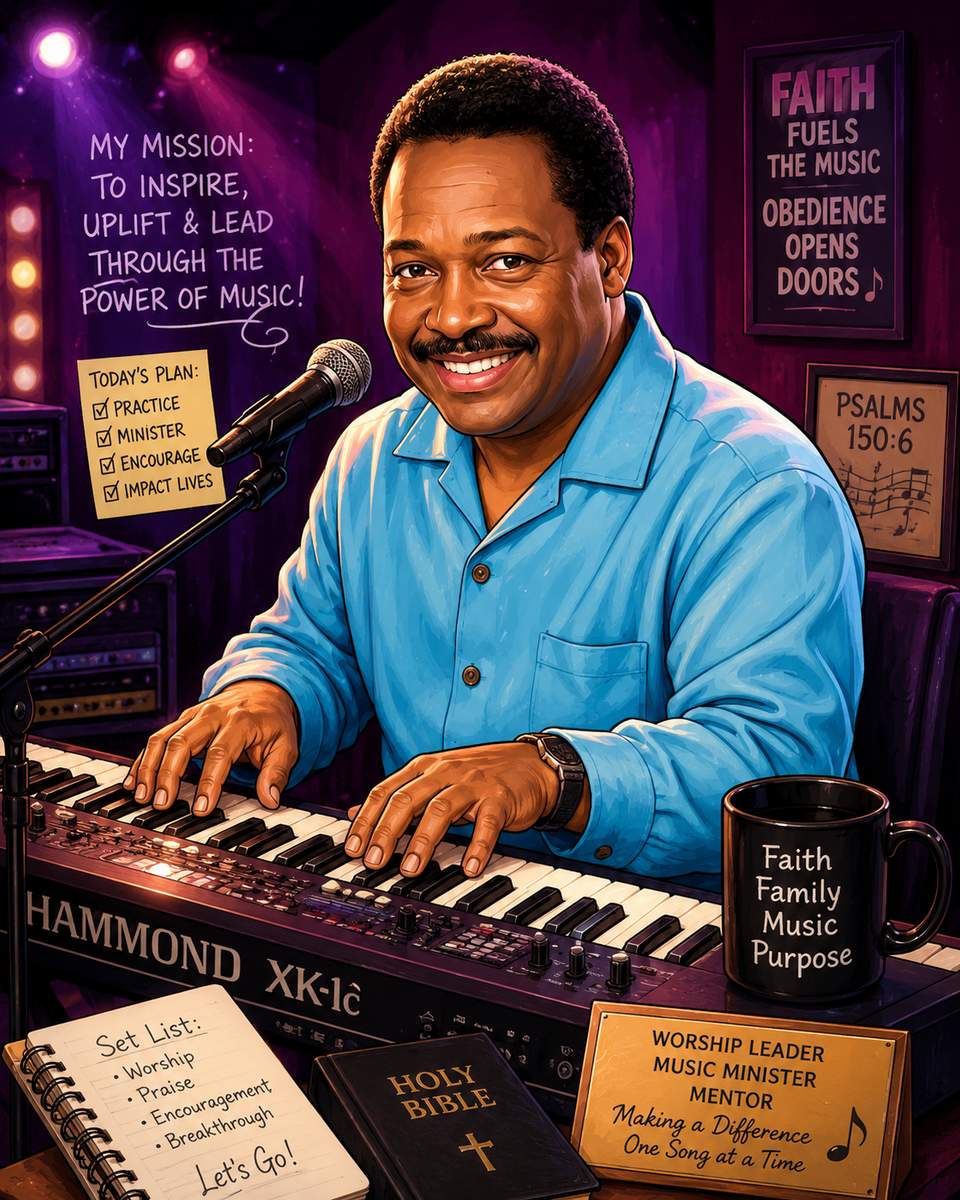
You need to understand the rich ecosystem where musicians and composers now create and share work across disciplines. The boundaries between sound, image, and spatial experience have dissolved in contemporary practice, and understanding how artists navigate that landscape gives you insight into where creative culture is headed.
The Composer's Expanded Toolkit
For centuries, the role of composer was primarily defined by notation and acoustic sound. A composer wrote for instruments, ensembles, or orchestras. Their work lived on the page as sheet music and in performance halls as live sound. But over the past several decades, that definition has undergone a profound shift. Composers now work with digital tools, synthesizers, field recordings, algorithmic processes, and visual media. The boundary between "composer" and "sound designer," between "musician" and "visual artist," has become permeable. This expansion reflects changes in how we consume, create, and understand artistic experience itself.
When artists list themselves as both musician and composer across visual media, they're participating in a lineage that includes experimental music pioneers, multimedia artists, and contemporary practitioners who see sound as one component in a larger ecosystem. This isn't new, but it's now democratized. Where once this kind of work required institutional support or access to expensive studios, creators now build integrated practices from their own spaces.
Sound and Image in Context
The relationship between sound and visual imagery has deep roots in classical music. Composers like Scriabin imagined connections between pitch and color. Film composers created entire emotional landscapes by pairing image with orchestration. But the contemporary fusion goes further. Visual artists now code their own soundscapes. Musicians create video work. Installations exist where sound, projection, sculpture, and interaction create a singular experience that can't be reduced to any single medium.
This practice reflects how audiences actually engage with culture now. We don't consume art in pure categories anymore. A single creative gesture might live on social platforms, in galleries, in listening rooms, in headphones, and in immersive environments simultaneously. The artist working across disciplines isn't being scattered. They're being coherent with how meaning actually moves through the world.
The Home Studio and Access
The rise of affordable digital audio workstations, visual software, and distribution platforms has changed who can make what. A musician working from home can now compose orchestral textures, design sounds from scratch, create video, and reach audiences globally. This democratization matters because it meant that the expanded toolkit became accessible to anyone with curiosity and time, not just those with institutional access. The economics of creation shifted.
This accessibility also means the field itself